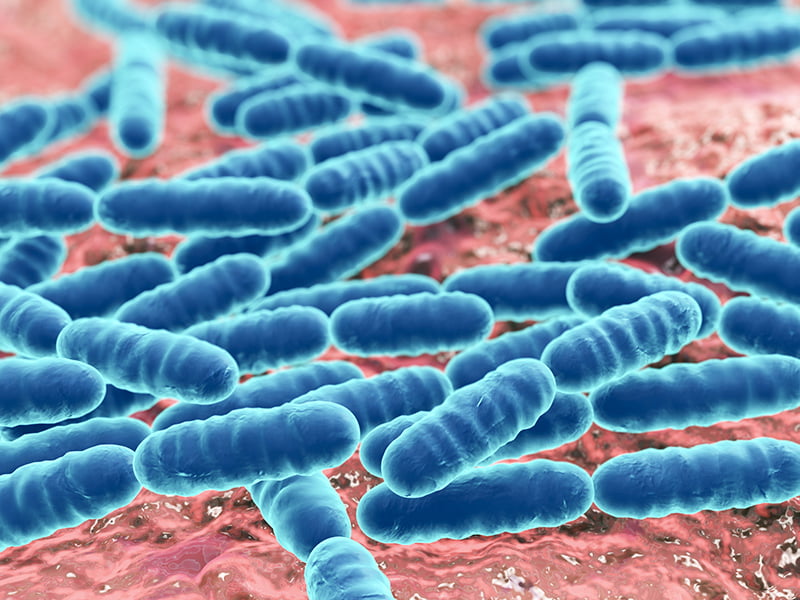
What Are Probiotics?
Probiotics are biological products composed of cultures of beneficial microorganisms used as feed additives to regulate microflora balance in the digestive tract, prevent pathogenic microorganisms from becoming harmful and proliferating, and thereby increase feed utilization efficiency.
Applications of Probiotics
Probiotics are generally used to increase resistance against infectious intestinal diseases, reduce diarrhea and allergies, increase leukocyte phagocytosis, prevent tumors, and eliminate stress before and after animal transportation.
Through probiotic application, beneficial intestinal flora can be supported to prevent the colonization of pathogenic microorganisms and diseases. Probiotics minimize conditions such as diarrhea, ulcers, reduced productivity, and decreased feed efficiency caused by stress factors including high heat, crowding, and dehydration that occur during animal transportation.
With probiotic application, attempts are made to minimize the effects of stress caused by conditions such as insufficient colostrum intake, poor nutrition, parasite infestations, vaccination, poor weather conditions, and infections.
Probiotics have been used in animal nutrition for many years within the framework of applications aimed at increasing productivity. Probiotics are used in the prevention and treatment of certain diseases related to the digestive system in animals.
Being natural, causing no harm to animals, and not being absorbed from the digestive tract are characteristics that enable them to serve as alternatives to antibiotics.
The positive effects created by probiotics are listed as follows:
- Preventing the proliferation of pathogenic microorganisms by producing lactic acid,
- Limiting pathogen reproduction by secreting hydrogen peroxide,
- Adhering to the intestinal surface before pathogens and competing for nutrients,
- Rapidly proliferating in the intestinal environment to leave no space for pathogenic microorganisms,
- Contributing to the synthesis of B-group vitamins,
- Increasing appetite due to their attractive natural flavors,
- Secreting digestive enzymes such as protease, lipase, proteinase, and cellulase,
- Synthesizing acetate, a precursor for fatty acids, during fermentation.
Use of Probiotics in Ruminants and Their Effects on the Rumen
In ruminants, probiotics prevent the colonization of pathogenic microorganisms in the intestines while increasing feed consumption and the digestibility of nutrients, thereby increasing dry matter intake, average live weight gain, and milk and milk fat production. Additionally, it is reported that by converting methane to carbon dioxide, energy loss is prevented while reducing the impact on global warming.
Probiotics are biological products composed of cultures of beneficial microorganisms used as feed additives to regulate microflora balance in the digestive tract, prevent pathogenic microorganisms from becoming harmful and proliferating, and thereby increase feed utilization efficiency.
According to the definition of the World Health Organization, probiotics have been proven to be beneficial to the body when consumed in sufficient quantities.
Probiotics are effective by increasing the numbers of beneficial bacteria in the intestines and decreasing the numbers of harmful ones. Additionally, they help maintain and restore the natural balance of good bacteria in the intestinal system. There is strong scientific evidence showing that they help improve intestinal health and strengthen the immune system.
Although the word bacteria often has negative connotations, 85% of the bacteria found in the intestinal system are beneficial bacteria. The number of bacteria found in the intestinal flora alone is approximately 100 trillion. Within the stomach and intestinal flora, beneficial and harmful bacteria must coexist in balance. If this balance is disrupted, various diseases may occur.
Probiotics create a defensive line against bad bacteria. In this sense, probiotics support our immune system. They control the harmful effects of bad bacteria.
There are probiotic supplements containing a single strain as well as probiotic supplements containing a mixture of various strains. Their effectiveness depends on whether they are not affected during passage through the stomach and intestinal system and whether they can colonize.
Consequences of Intestinal Flora Disruption
The disappearance of the protective layer created by probiotics on the intestinal mucosa increases intestinal permeability. Insufficiently digested feed materials and unneutralized toxins pass into the bloodstream. The immune system becomes excessively stimulated in response to insufficiently digested protein particles. Some of these foreign protein particles are very similar to the body’s own proteins. When the immune system is overstimulated, it cannot distinguish between what belongs to it and what is foreign. While destroying what is foreign, it also destroys what belongs to it. These are called autoimmune diseases.
Mechanisms of Action of Probiotics
1) Reducing the numbers of pathogenic bacteria
a) Production of antimicrobial compounds
b) Competition for nutritional elements
c) Competition for colonization sites
2) Modifying microbial metabolism
a) Production of enzymes that stimulate the digestive system
b) Improvement of intestinal wall functions
3) Improving the immune system
a) Increased antibody levels
b) Increased macrophage activity
Why Should We Use Probiotics?
Probiotics are generally used to increase resistance against infectious intestinal diseases, reduce diarrhea and allergies, increase leukocyte phagocytosis, prevent tumors, and eliminate stress before and after animal transportation. (2)
Through probiotic application, beneficial intestinal flora can be supported to prevent the colonization of pathogenic microorganisms and diseases. Probiotics minimize conditions such as diarrhea, ulcers, reduced productivity, and decreased feed efficiency caused by stress factors including high heat, crowding, and dehydration that occur during animal transportation. (2)
With probiotic application, attempts are made to minimize the effects of stress caused by conditions such as insufficient colostrum intake, poor nutrition, parasite infestations, vaccination, poor weather conditions, and infections. (2)
The positive effects created by probiotics are listed as follows.
-Preventing the proliferation of pathogenic microorganisms by producing lactic acid,
-Limiting pathogen reproduction by secreting hydrogen peroxide,
-Adhering to the intestinal surface before pathogens and competing for nutrients,
-Rapidly proliferating in the intestinal environment to leave no space for pathogenic microorganisms,
-Promoting the proliferation of microorganisms that live in symbiosis with animals and secrete digestive enzymes,
-Contributing to the synthesis of B-group vitamins,
-Increasing appetite due to their attractive natural flavors,
-Secreting digestive enzymes such as protease, lipase, proteinase, and cellulase,
-Preventing the proliferation of microorganisms that produce toxic amines and ammonia, thereby preventing an increase in amines and ammonia in the intestines,
-Synthesizing acetate, a precursor for fatty acids, during fermentation. (2)
Supporting the Immune System
The immune system is the sum of processes that protect the body against diseases and recognize and destroy pathogenic agents (bacteria, viruses, etc.) and tumor cells. Since the immune system is the body’s defense system, its support and strengthening, and gaining resistance against diseases, is the most important point.
70 to 80% of the immune system is located in the intestines. Probiotics strengthen the immune system, preventing the intestines from reacting suddenly and excessively, while also ensuring the proper functioning and stimulation of the immune system. Another characteristic of probiotics is protecting the microbiota and intestines at the cellular level in a way that provides optimal defense.
Atopic Dermatitis
Atopic dermatitis is increasingly prevalent in our country. Atopic dermatitis is a chronic, pruritic skin disease.
Diarrhea
Numerous studies have shown that probiotic feed additives are extremely successful in treating diarrhea. Probiotics are also effective in viral diarrhea.
Antibiotic-Associated Diarrhea
Diarrhea develops in approximately 20% of those using oral antibiotics due to intestinal flora disruption.
Allergy
Probiotics strengthen the protective mucosa barrier in the intestines; thereby reducing intestinal permeability and preventing allergenic substances from passing into the blood.
Use of Probiotics and Prebiotics in Aquaculture
In light of studies conducted on probiotics and prebiotics, it has been determined that the use of these substances in aquaculture increases feed utilization, live weight gain, survival rate, and growth performance in cultured fish regardless of species and age, and has positive effects on the immune system. (3)
Efficacy and Future of Probiotics in the Poultry Sector
In recent years, the concept of probiotic use has become clearer compared to previous years. Probiotics developed as a result of biotechnological research are an important alternative to antibiotics and chemotherapeutic agents for promoting growth in poultry. It is expected that this resource will be utilized more effectively in the future.
Following the ban on the use of antibiotics as growth promoters in poultry rations, research on alternative feed additive substances such as probiotics in poultry feeds has increased. Probiotics are living microorganisms that, when added to feed, suppress pathogenic microorganisms living in the intestines, increase beneficial bacteria, absorb certain microbial-derived toxic secretions, increase the secretion of certain digestive enzymes, and support the immune system. Through this, probiotic supplementation plays a role in promoting growth in poultry, improving feed utilization, and enhancing immunity. As a result, the use of certain natural substances in place of antibiotics in the future is inevitable, and probiotics may have increasing importance in meeting this requirement. (4)
Use of Probiotics in Ruminants and Their Effects on the Rumen
In ruminants, probiotics prevent the colonization of pathogenic microorganisms in the intestines while increasing feed consumption and the digestibility of nutrients, thereby increasing dry matter intake, average live weight gain, and milk and milk fat production. Additionally, it is reported that by converting methane to carbon dioxide, energy loss is prevented while reducing the impact on global warming.
The use of probiotics as feed additives, methane inhibitors, and rumen development promoting factors in young ruminants is preferred to antibiotic use. In animals, antibiotics have undesirable effects such as toxicity, allergic reactions, bacterial resistance, and suppression of intestinal flora. Antibiotic residues in animal food products also create significant problems in humans.
It is stated that with probiotic use, it may be possible to avoid the negative effects of antibiotics used for the same purpose. It should be noted that probiotics should not be considered as replacements for antibiotics in disease treatment; however, they may serve as supportive agents for balancing intestinal flora and improving rumen functions. (2)
(1)-(Kılıç et al., 2007). (Tekirdag Agricultural Faculty Journal Journal of Tekirdag Agricultural Faculty Koçyiğit and Tüzemen 2012 9)
(2)-(Kafkas Üniv. Vet. Med. J. 2005,11(1):93-98 D.Sarıpınar, N.Sulu Use of probiotics in ruminants and their effects on the rumen)
(3)- (Panigrahi et al., 2004; Salinas et al., 2005; El-Haroun et al. 2006; Kumar et al. 2006; Bagheri et al. 2008). YYU AGR SCI J (YYU J AGR SCI) 2012, 22(1): 62-68 Gonca ALAK1*, Muhammed ATAMANALP2
(4)- Poultry Research Journal 12 (2): 7-12, 2015 İsmail Ülger1, Selma Büyükkılıç Beyzi1, Mahmut Kaliber1*, Yusuf Konca1
Academic Research on Probiotics
Use of Probiotics in Ruminants
Use of Probiotics-Prebiotics-Enzymes in Ruminants
Use of Probiotics in Ruminant Bedside
Use of Probiotics in Poultry
Probiotics in Aquaculture